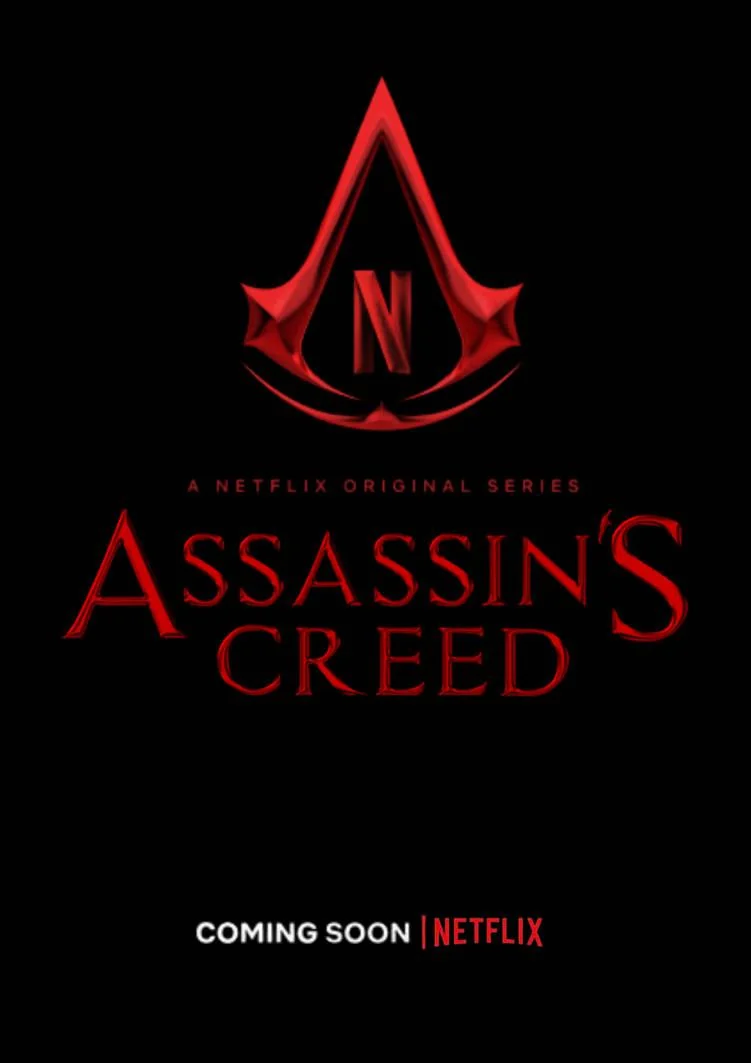

In March 2026, cameras officially started rolling in Rome for Netflix’s live-action Assassin’s Creed series. Filming is taking place primarily at the legendary Cinecittà Studios, with an original story set in 64 AD during the reign of Emperor Nero. This places the events right around the time of the Great Fire of Rome. Showrunners Roberto Patino (Westworld, Sons of Anarchy, DMZ) and David Wiener (Halo, Homecoming) are at the helm. The cast already boasts names like Toby Wallace, Lola Petticrew, Claes Bang, Nabhaan Rizwan, Noomi Rapace, Sean Harris, Sandra Guldberg-Kampp, Youssef Kerkour, Mirren Mack, and Louis McCartney.
This is not Ubisoft’s first attempt at expanding the franchise beyond games. Remember the 2016 Michael Fassbender movie? But the Netflix partnership feels different. It could be the blueprint that finally shows how 15 to 20-year-old gaming giants can stay culturally relevant in an era of skyrocketing development costs and shortening attention spans.
The Problem with Legacy Franchises
Many beloved game IPs are hitting a wall. Assassin’s Creed itself launched in 2007 and has sold over 230 million copies. Yet recent entries have faced mixed reception and audience fatigue. Annual or near-annual releases are becoming unsustainable. Simply remastering old games only goes so far.
The same story applies to other veterans: Tomb Raider, Prince of Persia, Splinter Cell, even parts of Final Fantasy or Resident Evil. Rich lore, passionate fanbases, and massive brand equity exist. But translating that into modern AAA games is expensive and risky. What happens when a franchise starts feeling “legacy” instead of “living”?
Enter high-quality television.
Netflix Changes the Rules
Streaming platforms, especially Netflix, offer something theatrical movies never could: space and time.
Serialized storytelling lets creators explore the Assassin versus Templar conflict across multiple seasons and characters without rushing. An original story in 64 AD gives creative breathing room while staying true to the franchise’s DNA of historical fiction, moral gray areas, parkour-fueled action, and philosophical undertones about free will versus control. The deal reportedly includes not just this live-action series but also animated and anime projects. This creates a genuine multimedia universe.
We have already seen the proof of concept work beautifully:
Arcane turned League of Legends into a critical darling that pulled in non-gamers.
The Last of Us (HBO) and Fallout (Amazon) delivered massive audience growth and player spikes for their respective games.
Castlevania and The Witcher showed that games with deep lore thrive when given room to breathe as prestige TV.
Data from past adaptations suggests TV can deliver an average +203% uplift in monthly active users for the source games. This is far stronger than movies. A successful Assassin’s Creed series could send players back to Valhalla, Odyssey, Black Flag, or even the Ezio trilogy. At the same time it would onboard entirely new fans who discover the games afterward.
A New Playbook for Aging IPs
What makes this particularly exciting for other legacy franchises is the model it establishes:
Creative Freedom Without Gameplay Literalism You do not need to recreate parkour button prompts on screen. Focus on character drama, political intrigue, and high-stakes action sequences that feel cinematic yet rooted in the universe’s themes.
Revitalization Without Forcing New Games A hit show can justify remasters, remakes, or smaller spin-off titles. It keeps the brand warm between big releases and reduces pressure on developers.
Broad Demographic Reach Live-action draws mainstream audiences. Animation and anime can target younger or style-focused fans. The result? A healthier, more sustainable ecosystem.
Non-Game Revenue and Cultural Longevity Merchandise, tourism (hello, Roman history buffs), and brand awareness become additional pillars. Ubisoft Film and Television is deeply involved as executive producers. This signals the project is a strategic, long-term play rather than a one-off.
Other publishers are watching closely. Could we see similar moves for Splinter Cell, a deeper Tomb Raider series, or even bold swings with Prince of Persia or older Final Fantasy arcs? The door is opening.
Challenges Ahead (Because Nothing Is Guaranteed)
Live-action historical epics are notoriously difficult and expensive. Capturing the fluid, acrobatic feel of Assassin’s Creed without it looking silly will be a test. Fan service versus fresh storytelling is always a balancing act. With filming expected to wrap around October 2026, we are likely looking at a 2027 release. That gives plenty of time for hype to build or expectations to balloon.
Success will not just be measured in viewership. It will show in:
New players discovering the games
Renewed interest in older titles
Ubisoft (and others) feeling confident to invest in the IP again
The industry treating video game adaptations as prestige opportunities instead of punchlines
The Bigger Shift
Gaming and traditional entertainment are converging faster than ever. Franchises no longer need to live or die by yearly releases or endless sequels. A smart, well-executed TV expansion can turn a “legacy” IP into an evergreen entertainment empire. Think how Marvel or Star Wars built universes across media.
As production ramps up in Rome, the Assassins and Templars are not just fighting for control of history in 64 AD. They are helping define the future of how we experience these worlds.
For Assassin’s Creed, and potentially dozens of other beloved but aging franchises, Netflix might just be the Leap of Faith the industry needed.


Let’s keep in touch.
Discover more about Brand Strategy, Global Market Pivots and possibilities for your Brand with us.

